


The TRC Visa (Temporary Residence Card) is a type of visa that allows foreigners to reside long-term in Vietnam for purposes such as working, investing, or visiting relatives. Below is a detailed guide on the procedure for applying for a TRC Visa, along with related information on its validity period, classification, benefits, and obligations when holding this type of visa.
1. Validity Period and Classification of TRC Visa
1.1. Validity of the Temporary Residence Card
According to Article 38 of the Law on Entry, Exit, Transit, and Residence of Foreigners in Vietnam 2014 (amended in 2019), the temporary residence card has a maximum validity of 2 to 5 years, depending on the type of visa held by the foreigner. It should be noted that the validity period of the temporary residence card must be at least 30 days shorter than the passport’s validity.
1.2. Classification of the Temporary Residence Card
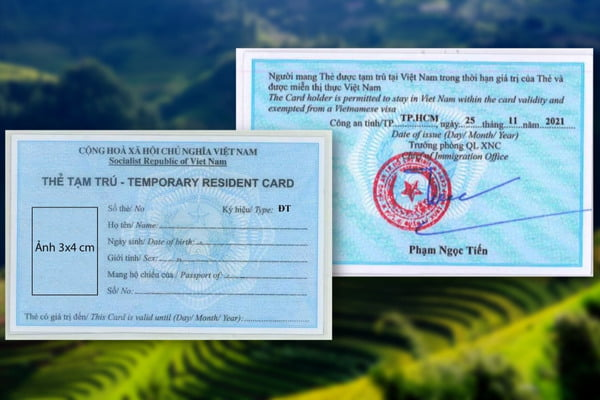
The temporary residence card is categorized into various types based on the purpose of the foreigner’s entry, such as NG3 (for diplomats), DT (for investors), LD (for workers), and many other types.
2. Procedure for Applying for a TRC Visa
2.1. Dossier for Requesting the Issuance of a Temporary Residence Card
To apply for a temporary residence card, the applicant must prepare the following documents: A letter of guarantee from an agency or organization in Vietnam. A declaration for the issuance of the temporary residence card with a photo attached. A valid passport of the foreigner. Documents proving the applicant is eligible for the card.
2.2. Procedure for Issuing a Temporary Residence Card
The procedure for issuing a temporary residence card includes submitting the dossier to the immigration management agency or the Ministry of Foreign Affairs (for certain special cases). The processing time for the dossier is approximately 5 working days.
3. Benefits and Obligations when Holding a TRC Visa
3.1. Benefits
Holders of the temporary residence card are protected under Vietnamese law, have the right to sponsor their relatives, and are free to travel within the territory of Vietnam. Additionally, they may combine studying and working during their residency period.
3.2. Obligations
Foreigners must comply with the laws of Vietnam, engage only in activities consistent with their entry purpose, and present valid documents when required.
See more articles
———————————————————————–
DNP VIET NAM LAW FIRM
* Contact:
🏢 Address: 5th Floor, 52 Nguyen Thi Nhung Street, Van Phuc estate, Hiep Binh Phuoc, Thu Duc City, Ho Chi Minh City, Viet Nam.
📩 Email: info@dnp-law.com.
📞 Hotline: 037 754 4312 (Ms.Tien).
Website: https://www.dnp-law.com/

